
How F&B Businesses in Singapore Can Use Printed Marketing to Bring Customers Back
Singapore has a competitive food and beverage industry, with customers choosing from neighbourhood cafés, restaurants, bakeries, and takeaway shops. For these businesses, it is good to attract new customers, but also to induce repeat business from current customers.
Digital marketing assists companies to reach out to people via search engines and social media. Nonetheless, printed materials continue to provide viable means of communication with customers. A menu may launch new dishes, a flyer may remind a lunch offer, and a postcard may remind customers of a seasonal special.
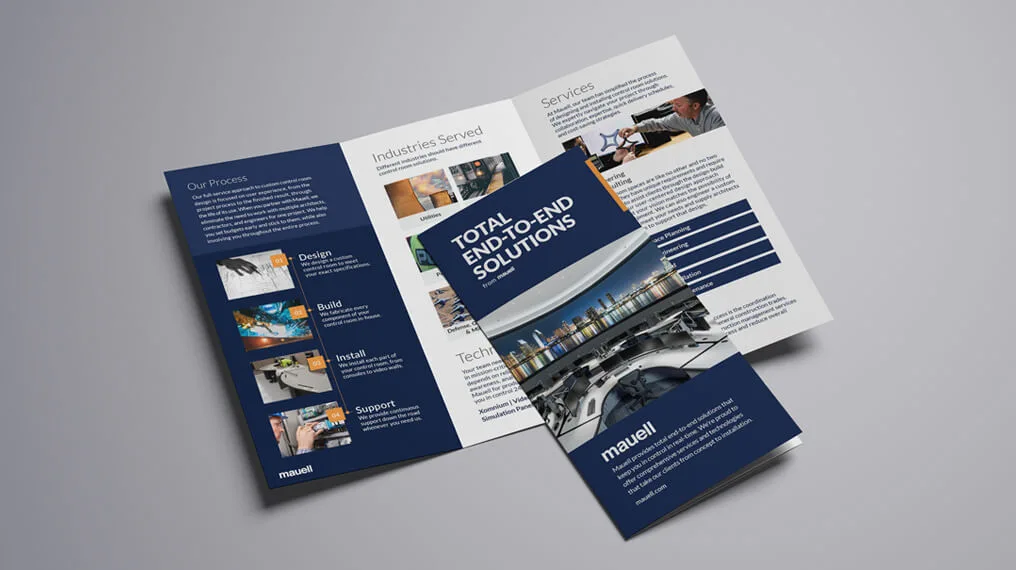
The point is to generate materials which contain helpful information and make people have the reason to repeat their visit. In cases where there is a clear purpose behind the printed marketing, F&B businesses can use it to create brand recognition and retain customers.
Use Printed Menus to Encourage Repeat Visits
Menus are not just a list of dishes and prices. They assist customers in knowing what is available and what products they may want to taste on a visit next time.
Make menus clear and attractive
Arrange menu items into simple-to-navigate categories, including main meals, desserts, drinks and set meals. Use affordable fonts, desirable prices, and succinct descriptions. The layout should be simple, and food photography can be used to emphasise dishes of choice.
A properly structured menu facilitates quicker order placement and assists customers in settling on the right things without becoming overwhelmed.
Highlight seasonal products and special offers
Dining establishments can market lunch packages on weekdays, and cafes can launch their seasonal drinks or breakfast specials. Bakeries could have holiday desserts or seasonal cookies.
Promoting new products will provide customers with motivation to revisit the menu. Small printed inserts can also be used by businesses to advertise temporary offers but leave the whole menu intact.
Keep menu information updated
Expired promos, missing dishes, and old prices can irritate customers. Check menus often to ensure everything is correct.
Smaller print runs or separate promotional inserts can simplify updates in businesses with products. Its postcard printing line includes sizes and finishes (matte laminated and foil-stamped) as well. The right one will be based on the design, budget, and purpose of use.
Use Flyers to Reach Local Customers
Flyers can help to show an F and B business to individuals who live, work, or spend time in the vicinity. They are able to advertise a new restaurant, advertise takeaway, advertise opening, or advertise a special offer.
Choose a specific audience
A coffee shop outside the office centres might advertise cheap lunches for workers within the local area on weekdays. A local bakery could promote fresh bread or pastries on the weekend to the neighbourhood.
You must avoid placing flyers randomly; find out where your prospective customers are likely to notice them. Always use pertinent property regulations and seek authorisation where necessary.
Create one clear message
A flyer must convey its key offer in a short time. Apply a powerful headline, an attractive image where necessary and the necessary details, including the business address, opening hours, promotion dates and instructions for placing orders.
Be careful not to include too many irrelevant offers. A targeted message is more memorable and comprehensible.
Track campaign results
Flyer campaigns can be given a specific discount code or QR code to the business. This assists in determining where customers are interested in the locations and offers.
To illustrate, the restaurant can compare flyer responses, distributed around offices, to those posted by local community partners. The results could be used to inform future marketing decisions.
Use Postcards to Build Customer Relationships
Postcards are a smaller means of sending personal messages, seasonal alerts, and offers of returning visits. They may be packed in takeaway bags, given away at cashiers, or distributed by appropriate local affiliates.
A coffee house can include a thank-you note with the takeaway meals and invite clients to taste a new cup. One of the bakeries might mention their festive range, and one of the restaurants may be advertising an upcoming meal.
It is aimed at turning the postcard into a useful tool and not just a promotional tool.
It may be a short thank-you note, a returning-customer fee, or a QR code that links to the new menu. Clear offer conditions and an expiry date enable customers to know how to utilise it.
When researching printing postcards, one ought to take into account card size, paper material, finish and purpose. A plain writable card can be appropriate for customer messages, whereas a professional postcard can be used in case of seasonal promotions.
Connect Printed Marketing with Digital Channels
Print and online marketing can be mutually reinforcing. A flyer can be used to present a promotion, whereas a QR code can guide clients to an online menu, booking page or ordering platform.
As an example, a restaurant that opens a menu of weekend brunch might print flyers and hand them out in the neighbourhood and post the same menu on its website and social media. Regular messaging also aids in assisting customers to identify the promotion on various platforms.
Before printing, test all QR codes and verify that they work correctly using mobile devices. Customers can be transported to the corresponding page in the shortest time possible instead of searching for the offer individually.
The businesses are also expected to comply with the relevant requirements in Singapore when gathering customer details or conducting marketing messages.
Where to Find Printed Marketing Materials
With the campaign plan prepared, businesses can evaluate the printing providers according to the product options, specifications, quantities, and delivery provisions.
For F&B businesses looking for printed promotional materials, CUSTA offers printing products for business use, including flyers, leaflets, postcards, and greeting cards. These choices are capable of supporting various marketing objectives, such as local marketing and customer appreciation marketing.
Check the latest product specifications, minimum quantities, production times and delivery before order placement. Preparing suitable artwork and checking all promotional information can help make the printing process smoother.
Create a Simple Campaign to Bring Customers Back
Initial campaigns that F&B businesses can run consist of a single customer action campaign.
An example would be a neighbourhood cafe which could advertise a seasonal beverage to promote visiting the business on weekdays.
- Specify a target: Increase visits on quieter afternoons.
- Select an offer: Present a seasonal drink or an appropriate food-drink combination.
- Choose a format: Choose a postcard or a flyer that can be easily stored by customers.
- Be clear with instructions: Add the terms of the offer and redemption.
- Measure outcomes: Monitor redemptions and compare the sales with the standard baseline.
Discuss the results of the campaign with customers and highlight improvement points. In case of difficulty in redemption by customers who like the offer, make it easy. In case of a low response, experiment with another message or means of distribution.
This strategy assists companies to make better marketing judgments in the long run.
Conclusion
When there is a purpose, printed marketing is still effective in the F&B businesses in Singapore. Menus assist in allowing customers to learn about dishes, flyers assist in advertising local deals, and postcards will foster relationships with customers and aid in returning to the restaurant.
With an appropriate design, timely promotions, targeted distribution, and performance monitoring, printed materials can be used to boost digital marketing and prompt customers to revisit restaurants, cafes, and bakeries.


